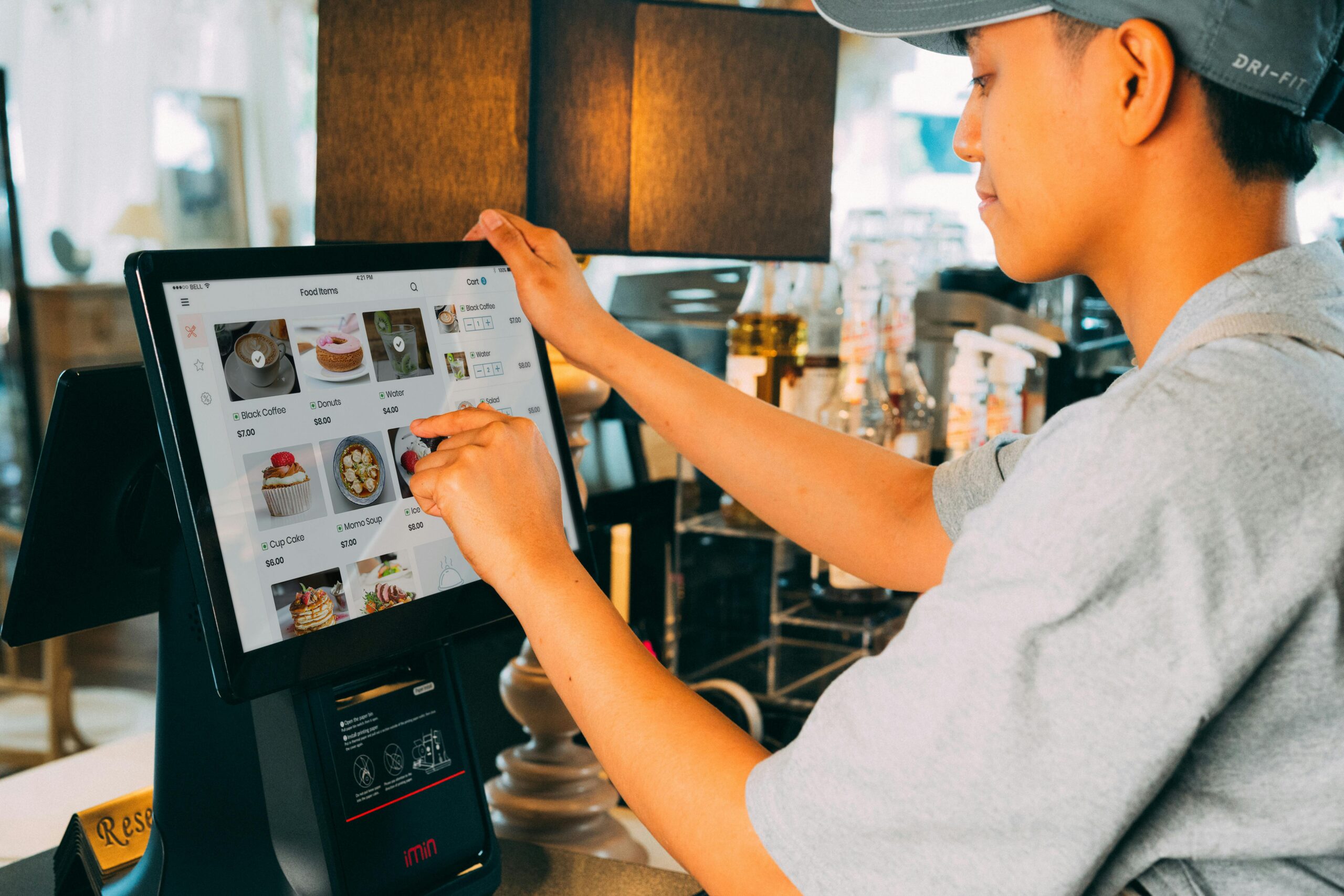
How a POS System Improves Inventory Management
Inventory is the heart of every retail, wholesale, and service-based business. Whether you run a mini supermarket, cosmetics shop, pharmacy, hardware store, boutique, or electronics shop, your success depends heavily on how well you manage stock. Poor inventory management leads to losses, stockouts, overstocking, expired products, and inaccurate records—problems that can slow down business growth.
A modern POS system solves these challenges by automating stock tracking, improving accuracy, and giving you real-time visibility of your products. Instead of relying on manual counts or guesswork, you can monitor every item that enters or leaves your business instantly. If you want to compare or explore an efficient solution, check out this POS System in Kenya
Below is a breakdown of how a POS system dramatically improves inventory management for small and growing businesses.
1. Real-Time Stock Tracking
Manual inventory tracking is slow, prone to errors, and often leads to inaccurate numbers. A POS system updates your stock instantly every time you make a sale, purchase, return, or adjustment.
This allows you to:
-
Know exactly what is in stock at any moment
-
Avoid manual counting
-
Detect missing items quickly
-
Maintain accurate records
With real-time visibility, you can confidently make decisions about what to reorder and when.
2. Low Stock Alerts & Auto-Notifications
Nothing frustrates customers more than hearing “item imeisha” when they are ready to buy. A POS system prevents this by automatically notifying you when items reach a minimum level.
Low-stock alerts help you:
-
Restock on time
-
Avoid lost sales
-
Maintain consistency
-
Serve customers better
These alerts are especially useful for fast-moving items like snacks, beauty products, medicines, and grocery items.
3. Tracks Fast-Moving and Slow-Moving Items
A POS system provides reports showing which products are performing well and which ones are tying up your capital. This helps you avoid overstocking slow-moving items and invest more in profitable products.
You can see:
-
Top-selling products
-
Products with low demand
-
Seasonal purchase trends
-
Items bringing highest profit
Such insights help you plan smart purchasing decisions and maximize your business returns.
4. Reduces Stock Losses and Theft
Internal stock losses—whether accidental or intentional—hurt many businesses. With manual systems, it’s hard to trace who handled what or when stock went missing.
A POS system improves control by:
-
Tracking every stock movement
-
Keeping a record of who processed each transaction
-
Restricting permissions for employees
-
Logging adjustments and returns
This visibility makes it difficult for stock to disappear without accountability.
5. Tracks Expiry Dates & Batch Numbers
For pharmacies, supermarkets, and cosmetic shops, managing expiry dates is critical. A POS system allows you to track batch numbers, expiry dates, and shelf life.
Benefits include:
-
Preventing expired items from being sold
-
Reducing losses from expired stock
-
Clearing short-expiry products on time
-
Maintaining compliance for regulated items
This is something manual systems cannot handle effectively.
6. Centralized Inventory for Multiple Branches
If you operate more than one location, managing stock across branches can be challenging. A POS system centralizes inventory, allowing you to:
-
View stock in all branches
-
Transfer items between locations
-
Standardize product prices
-
Track branch performance individually
This ensures consistency and makes it easy to manage expansion.
7. Automated Purchase Orders
Many POS systems allow you to generate purchase orders directly from the system. Once an item reaches minimum stock, the system can suggest or create a reorder list.
This helps you:
-
Avoid running out of essential items
-
Reduce workload
-
Improve supplier management
-
Keep shelves fully stocked
Automation saves time and ensures you never forget to reorder.
8. Accurate Stock Valuation
A POS system also helps you calculate the total value of your stock using different methods such as:
-
FIFO (First-In-First-Out)
-
Average costing
-
Batch costing
Accurate valuation helps you understand your business health, manage cash flow, and prepare financial reports easily.
9. Easy Auditing & Stock Take
Stocktaking is usually stressful for businesses using manual records. With a POS system, the process becomes easier, faster, and more accurate.
You can:
-
Compare physical and system stock
-
Identify variances
-
Print stock take sheets
-
Record adjustments automatically
This improves accountability and helps keep records clean.
Final Thoughts
Inventory management can make or break your business. A modern POS system removes the guesswork by automating stock tracking, preventing losses, improving accuracy, and giving you real-time insights to make smarter decisions.
If you want to upgrade your stock control with a reliable solution, explore this POS System in Kenya option designed for small businesses in Kenya.

